Planning a neighbourhood Diwali celebration
Watch the 30-second story
Anika brings a booking deadline out of the group chat and into a plan.
Illustrative app screens and example dates. Public registration is closed. Example planning dates, not the date of Diwali.
This film is a visual alternative to the complete written story below. It has instrumental music and on-screen text, with no speech. Play when you’re ready.
Read the film’s storyIllustrative preview · 30 seconds · v0.5
Download this 30-second filmBy the Reminder Tracker team
UK · Community celebrations · 7-minute read
October 2026
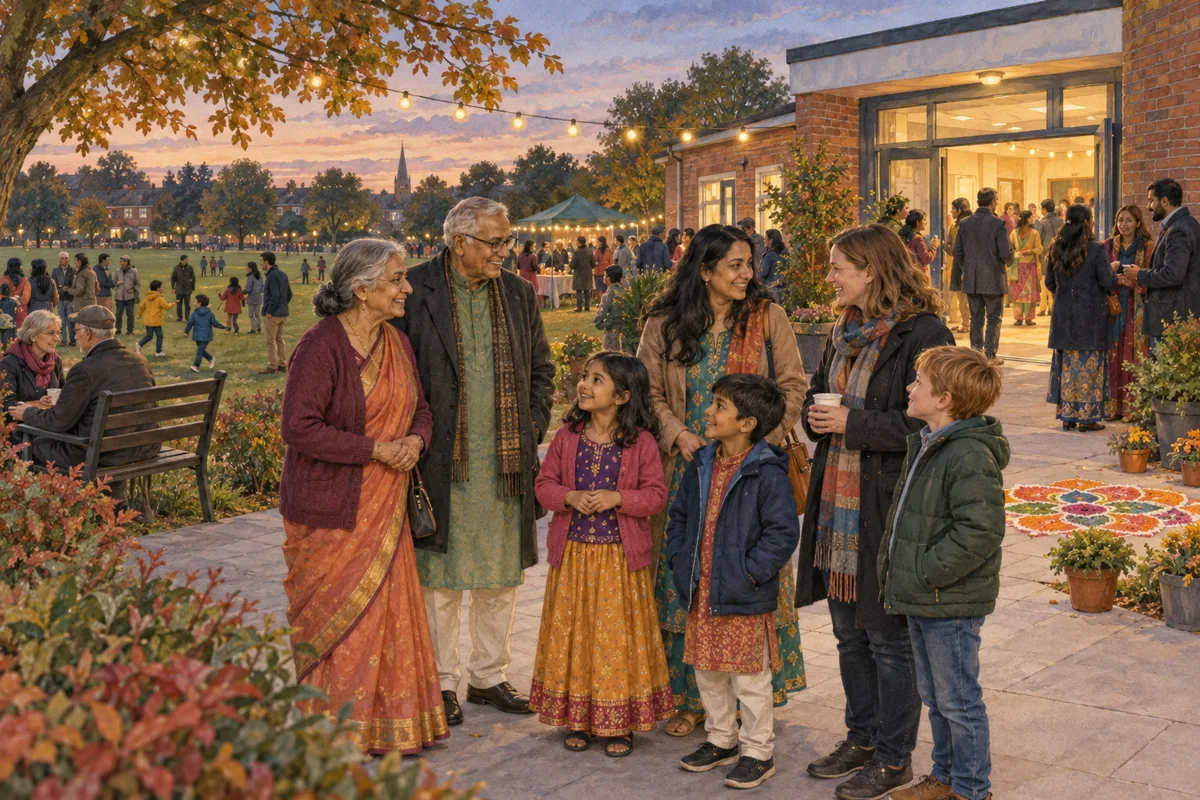
Two hundred neighbours. One Diwali evening.
“Shall we do something for Diwali this year?”
It sounds manageable. Hire the ground and the attached function hall. Arrange some food, music and lights. Invite the neighbours.
Imagine a residents' group in England planning an evening for about 200 people. There are families with children, people coming on their own and grandparents visiting from India. Anika's parents are looking forward to meeting the neighbours they usually hear about on video calls. Her children have already volunteered to help with decorations. Nobody has volunteered to read the hire agreement.
Anika speaks to the venue, Ravi arranges food and Helen gathers volunteers. They all have jobs, families and evenings that were quite full before this idea came along.
The group chat is lively. The deposit deadline is somewhere between a menu suggestion and a photograph of fairy lights.
Before the invitation goes out
Two hundred is their planned attendance, not permission to fit that many people into whichever space happens to be dry. The group needs the venue's agreed limits for the hall and grounds, with the proposed layout, activities and everyone involved accounted for.
Anika arranges a site visit. Are both spaces included in the booking? When can helpers arrive? Is kitchen use included? Who unlocks the hall? What are the finishing time, payment dates and cancellation terms?
They discuss capacity, entrances, exits and movement between the ground and hall. A stage, food queue and rows of chairs all affect how the space works. Venue management and organisers also need to agree who is taking care of which safety arrangements. HSE's venue and site guidance explains these considerations.
The answers become dated jobs. “Confirm hall and ground booking” is useful. “Diwali stuff” gives future Anika rather a lot to work out.
A reminder pack starts with the real arrangements
A community-event reminder pack keeps related reminders together. The organisers can adapt the plan to their venue, suppliers and celebration, then agree who is taking care of each job. The dates come from actual agreements and relevant application processes; an example checklist cannot supply them.
- Confirm the hall and ground. Anika checks the spaces, access hours, kitchen use, payment dates and hire terms.
- Review capacity and the layout. Anika and venue management agree the limits, clear routes and arrangements for managing attendance.
- Review fire and emergency arrangements. Helen agrees with the venue who will handle procedures, volunteer roles, evacuation assistance and emergency access.
- Check insurance and relevant permissions. The treasurer checks cover and hire requirements; an agreed organiser follows up any applications needed.
- Confirm the food order. Ravi checks numbers, delivery, safe handling and how guests can find ingredient and allergen information.
- Confirm equipment and decorations. The volunteers arranging them check venue approval, delivery, setup and checks needed before use.
- Agree the weather plan and brief helpers. Helen and the group decide what happens if plans change, who decides and how people are told.
- Clear up and return hired equipment. Named volunteers confirm collection times, cleaning, inspection and any deposit follow-up.
Some jobs need more than one reminder. Paying the deposit is one step; receiving the venue's confirmation is another. “I've emailed them” is progress, but the unanswered question still needs someone to follow it up.
The safety conversation belongs near the beginning
Diwali decorations deserve thought as well as enthusiasm. The group asks what the venue permits for electrical lights, candles or diyas and cooking equipment. Any proposed fireworks need their own early discussion with the venue and relevant authorities, with suitable specialist arrangements. They are not assumed to be part of a hall booking.
For this evening, the group chooses electric decorative lights. They review the fire arrangements with the venue, including how to raise the alarm, leave the premises and keep exits clear. Helpers need to know their roles before guests arrive. The government's community-event guide covers fire safety and planning checks.
They also agree first-aid provision and emergency procedures appropriate to the event, including how people who need assistance will be helped. Parents should know where to go if they become separated from a child, and volunteers should know the agreed procedure. Keep the briefing clear enough for someone helping for the first time. HSE's emergency-planning guidance explains how arrangements should match the event's risks.
The treasurer checks the association's insurance with the insurer and the venue: does it cover this event and its activities, and what does the hire agreement require? Public liability cover is worth discussing explicitly. The government guide explains that there is no universal legal requirement to buy insurance for every voluntary event, although a venue may require it.
Music, food, alcohol or other activities may also need particular permissions. The organisers describe their actual plans to the venue and local council early enough to establish what applies.
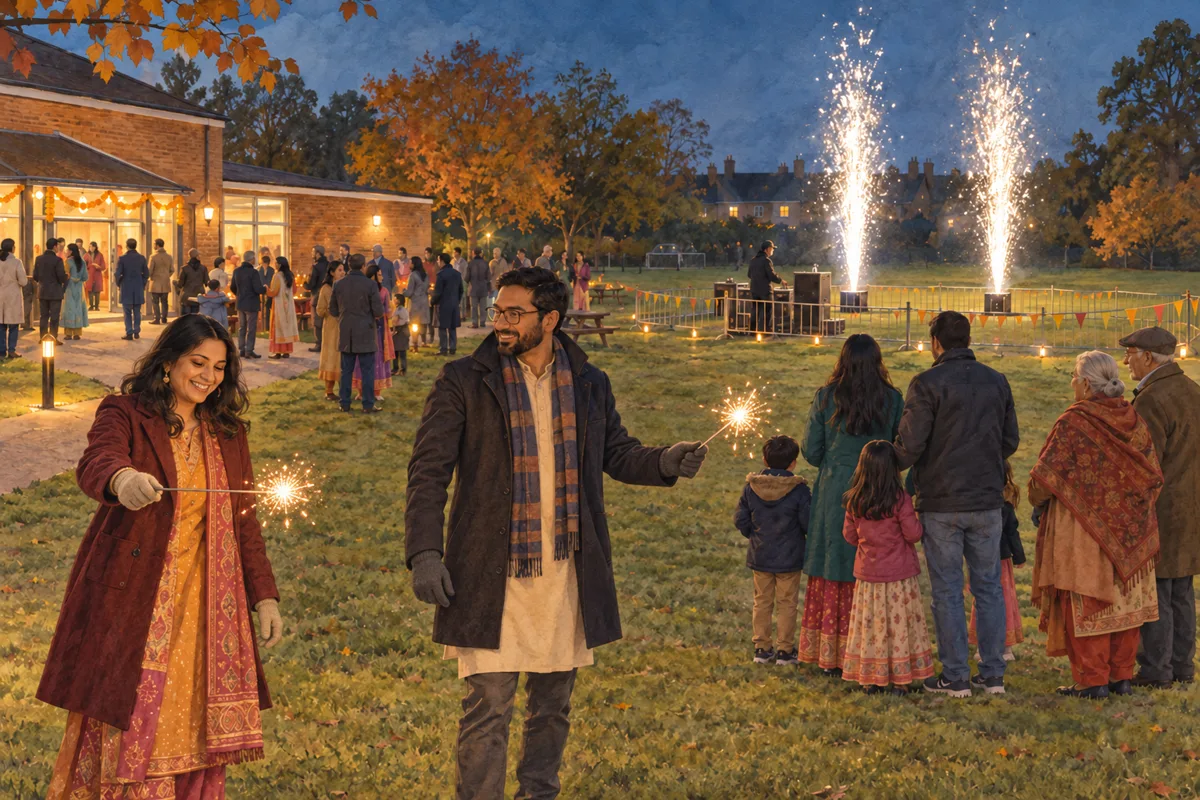
The group also asks a professional provider about an outdoor fountain display and an area for adults using sparklers. Anika confirms the proposed effects with the venue and insurer, including the products, operating arrangements, separated viewing area and circumstances that would stop the display. A supplier's description of “ice fountains” does not replace that conversation. HSE links to guidance on event special effects.
In their plan, children watch with their parents while adults handle the sparklers in the agreed area. The volunteers know who is supervising and how used items will be dealt with. The government's celebration guidance includes sparkler and fire safety advice.
A welcoming evening takes a little practical thought
Anika's parents are perfectly happy joining the celebration. They would also appreciate somewhere to sit and a clear route to the toilets. So would quite a few other guests.
The group checks accessible routes, seating, lighting and facilities. Invitations explain arrival times, how to get there and whom to ask for help. Grandparents visiting from abroad should not need local knowledge to find the entrance. A neighbour can help explain the arrangements where language would otherwise be a barrier.
Ravi confirms the menu and final-number deadline with the caterer, along with delivery, serving and food-safety arrangements. Guests need a clear way to find ingredient and allergen information. The Food Standards Agency has guidance for community and charity events.
His reminder says “Confirm final catering numbers by the supplier's deadline.” It does not need to contain children's names, guests' medical details or a list of visiting relatives.
The hall is a rain plan only if the plan works
Helen asks: “If it rains, can everyone go inside?”
The outdoor space and hall have different limits. Their agreed weather plan may mean changing the programme, limiting attendance or postponing part of the celebration. They establish this with the venue beforehand, including when to decide and how to tell people.
British weather is unlikely to attend the committee meeting. It may still have a substantial effect on the agenda.

Share the work, and keep the private bits private
Each reminder should make the next action clear. Agree who can see it, who receives a reminder and who is taking care of the job. A volunteer helping with equipment does not need access to someone else's personal renewals.
Keep agreements, policies and receipts in the association's usual records. Reminder Tracker holds the jobs and dates; there is no need to upload documents or turn the reminder plan into a guest register. A reminder helps someone follow through. The organisers and venue still confirm the arrangements and carry them out.
If a helper becomes unavailable, agree who will take over. The group chat can still do what it does well: questions, conversation and the occasional photograph of decorations. Important dates no longer depend on everyone finding the same message.
Leave a little room for the morning after
Before opening, the organisers brief volunteers and check the agreed layout, routes and safety arrangements. Then there is an evening to enjoy.
Anika's parents meet the neighbour who waters her plants. The children proudly point out the decorations they helped arrange. People who have lived three doors apart for years finally have a conversation longer than “Is this parcel yours?”
Afterwards, there are still tables to clear, equipment to return and perhaps a deposit to chase. Those reminders were added at the start, while everyone had more energy.
A short review helps next year's group remember what worked, which dates needed more time and who knew where the spare extension leads were kept.
Anika gets to sit with her parents for a while. Helen has a cup of tea. Ravi is asked whether there are any sweets left.
And the hall keys make it back to the venue.
Illustrations: AI-generated.
The film’s story, in words
- A celebration. A shared plan. Anika brings a booking deadline out of the group chat and into a plan. A phone turns from its edge to reveal an illustrative reminder screen.
- Anika searches for “Community celebration” and reviews “Confirm hall booking”. The view moves closer as the words appear.
- The chosen date, 17 October 2027, lifts out of the phone, followed by “7 days before”. The next reminder is 10 October 2027. All dates in this film are examples.
- Anika chooses Anika and Ravi for this reminder. Their names lift out of the screen. The phone turns and shows “Reminder saved”.
- On 10 October 2027, an illustrative Android app alert reminds Anika about hall booking. The notification lifts towards the viewer.
- Ravi receives a separate illustrative app reminder. Both people can see their own nudge; the alert does not prove the job has been completed.
- The hall. The people. The next step, clear. More time for the celebration. The phone turns to show the saved plan. The film ends with “Reminder Tracker. Everything important, at the right time. Early access preview.” Example planning dates, not the date of Diwali.
Locally animated illustrative screens with original instrumental music. Names and dates are fictional.